Homeowners seeking pest control services Greenville turn to MapleHaven Exterminators for clinical eradication protocols engineered around the insect pressure cycles of Upstate South Carolina. When active infestations threaten your living spaces, our technicians provide targeted indoor relief and durable exterior perimeter boundaries.
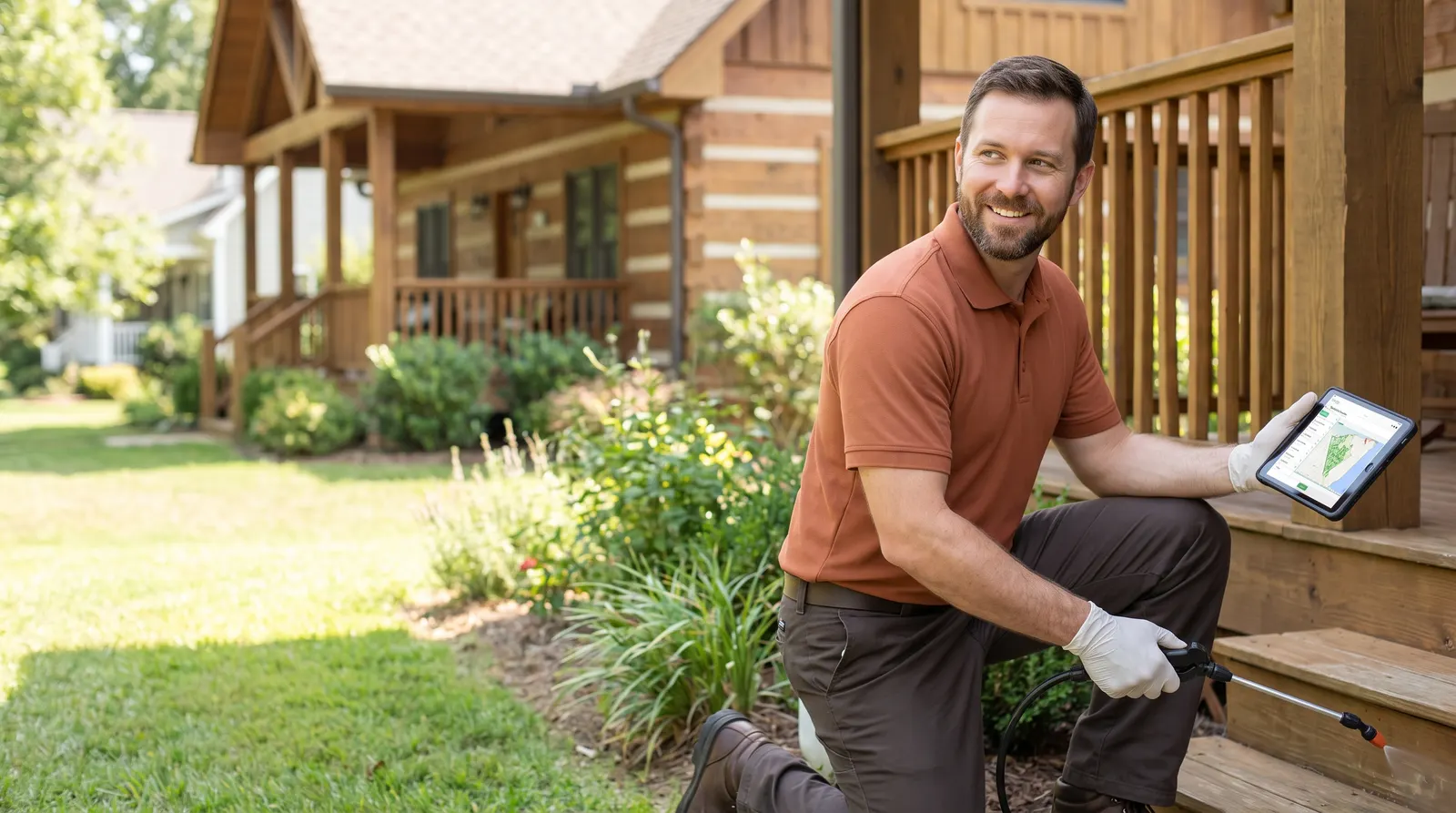
Pest control services company in Greenville is a specialized domestic structural defense provider that applies targeted biological treatments and mechanical exclusion to eliminate insect and rodent populations across Upstate South Carolina residences.
Every service reflects the same meticulous attention to detail, whether it's a single job or a larger pest control services project across Greenville.
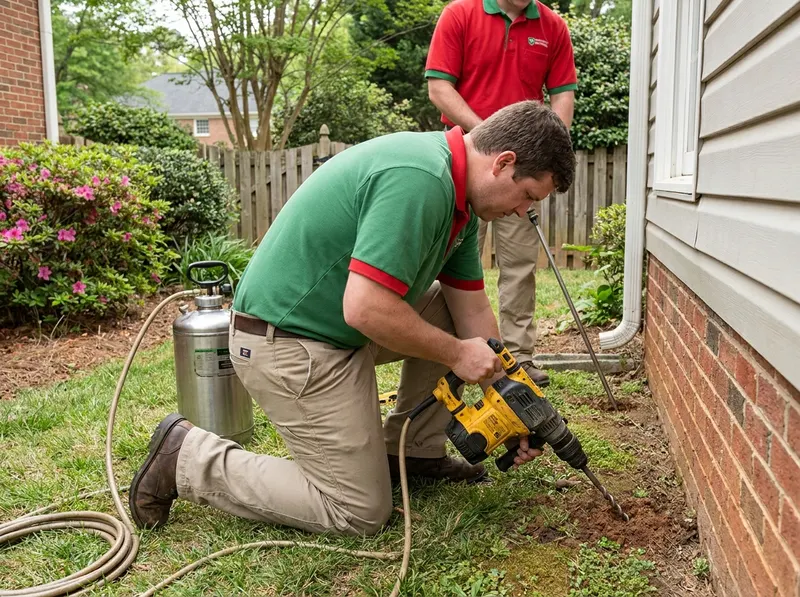
Subterranean termite defense requires targeted non-repellent termiticides injected into perimeter trenches and crawlspace footings to protect timber framing. In Greenville County, native subterranean species like Reticulitermes flavipes construct extensive subterranean shelter tubes across masonry piers to reach subfloor sill plates. Technicians excavate continuous 6-inch by 6-inch trenches around foundation perimeters, applying liquid termiticides at certified dilution rates conforming to technical bulletins published by the Clemson University Cooperative Extension . For homes built over slab foundations, specialized pressure-injection rods deliver liquid formulations directly beneath concrete porches and garage joints where hidden structural voids reside. Strategic placement of low-profile exterior monitoring stations provides continuous structural surveillance, capturing early foraging worker termites before colonies establish reproductive alate swarms in living rooms. Moisture reduction recommendations accompany all physical applications to address subterranean humidity retention within damp Upstate soil profiles.
Get a quote →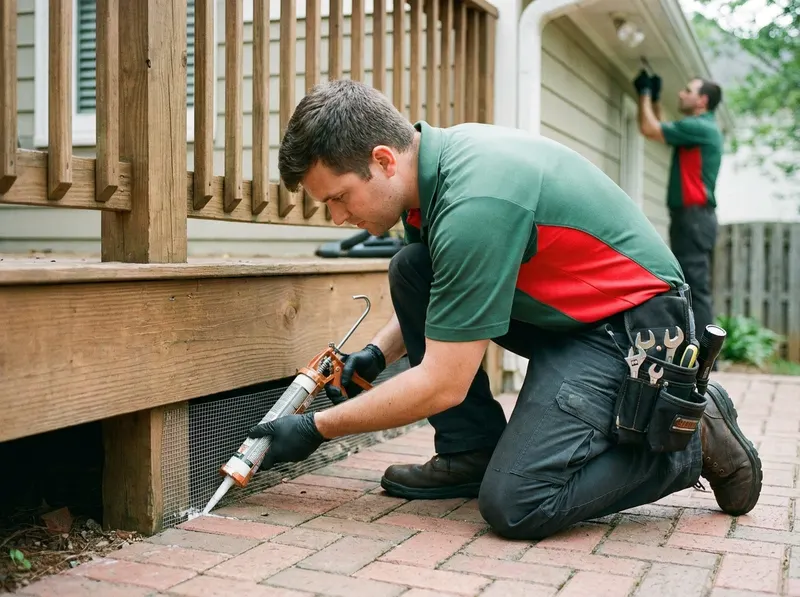
Mechanical rodent exclusion isolates building envelopes against invasive roof rats and field mice seeking winter refuge in residential attics. Roof rats take advantage of overhanging hardwood tree limbs common throughout historic Upstate neighborhoods to enter structural soffits, roof returns, and attic gable louvers. Technicians conduct complete perimeter inspections from crawlspace foundation vents up to the roof ridge line, locating every gap measuring 0.25 inches or greater. All active entry conduits receive permanent seals constructed of heavy-gauge 19-gauge hot-dipped galvanized steel mesh, exterior-grade metal flashing, and elastomeric sealants that resist persistent rodent gnawing. Technicians then place enclosed, tamper-resistant mechanical trapping stations within attic insulation runways and crawlspace perimeter sills to eliminate trapped animal populations without utilizing loose rodenticides that could present secondary toxicity hazards to domestic pets or non-target wildlife. Complete attic waste sanitation protocols neutralize biological pheromone trails to prevent recurring outdoor migrations.
Get a quote →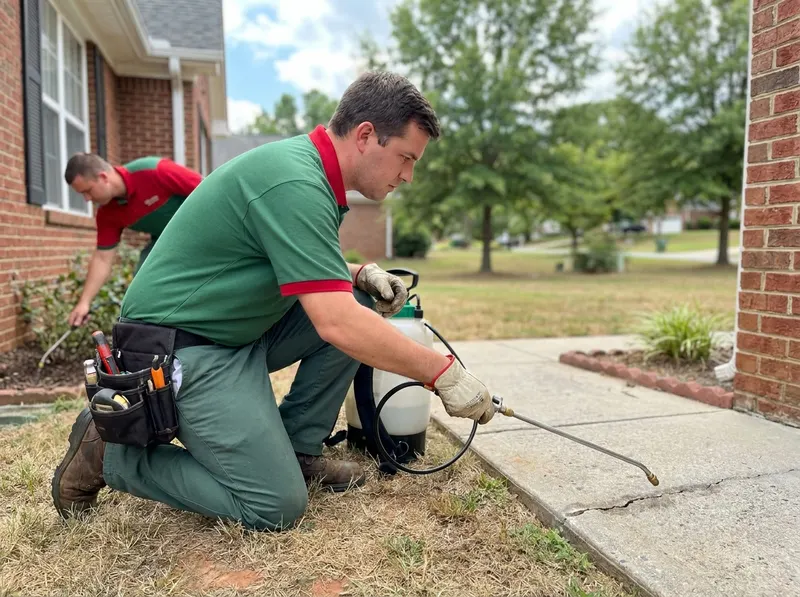
Eradicating persistent ant supercolonies requires baiting methodologies aligned with species-specific nutritional requirements throughout annual breeding cycles. In Upstate South Carolina, invasive Argentine ants, odorous house ants, and native carpenter ants frequently invade domestic kitchens and interior plumbing chases following seasonal moisture shifts. Technicians avoid broadcast repellent surface sprays, which cause colony fragmentation and rapid budding into multiple satellite nests. Instead, treatment protocols deploy targeted micro-gel matrices combining complex carbohydrates and structural proteins laced with slow-acting, non-repellent active ingredients compliant with standards set by the National Pest Management Association . Worker ants consume and transport these matrices back to subterranean queens and developing larvae, achieving total colony collapse within 7 to 14 days. Technicians reinforce this baiting matrix with a precision micro-encapsulated liquid boundary spray along exterior foundation walls, stopping new foraging columns from penetrating expansion joints or door thresholds.
Get a quote →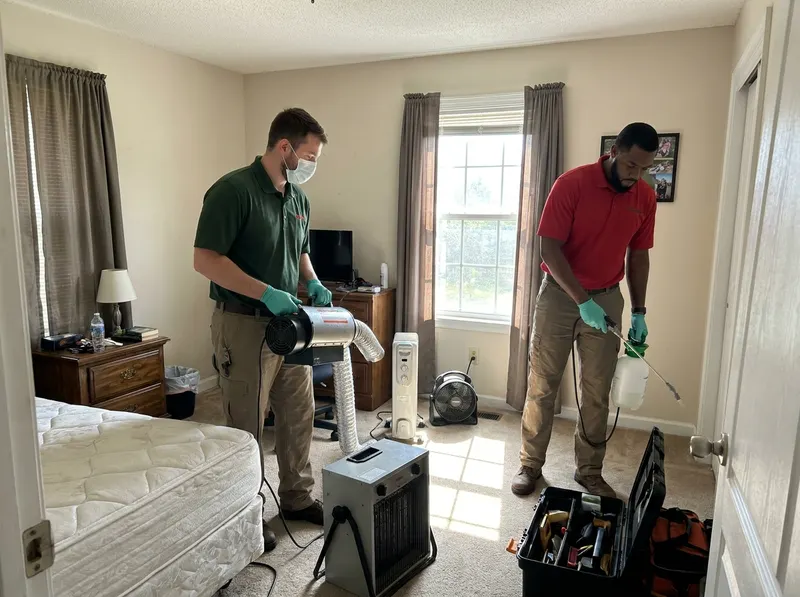
Comprehensive bed bug eradication demands targeted chemical formulations combined with directed localized heat interventions to target all life stages of Cimex lectularius. Infestations tucked deep inside baseboard crevices, hollow bed frames, wall outlet boxes, and mattress tufting require precision application of insect growth regulators (IGRs) alongside modern dual-action adulticides. These specialized compounds disrupt juvenile molting processes and render adult female specimens permanently sterile, halting generational reproduction. Technicians treat upholstered furniture seams, box springs, and structural perimeter gaps using targeted steam equipment producing dry vapor temperatures exceeding 180 degrees Fahrenheit, which instantly denatures heat-sensitive insect proteins and destroys viable egg casings on contact. Follow-up diagnostic inspections scheduled 14 days post-treatment ensure complete population eradication, returning quiet, bite-free rest to bedrooms without requiring homeowners to discard expensive furniture assets or endure aggressive chemical residues.
Get a quote →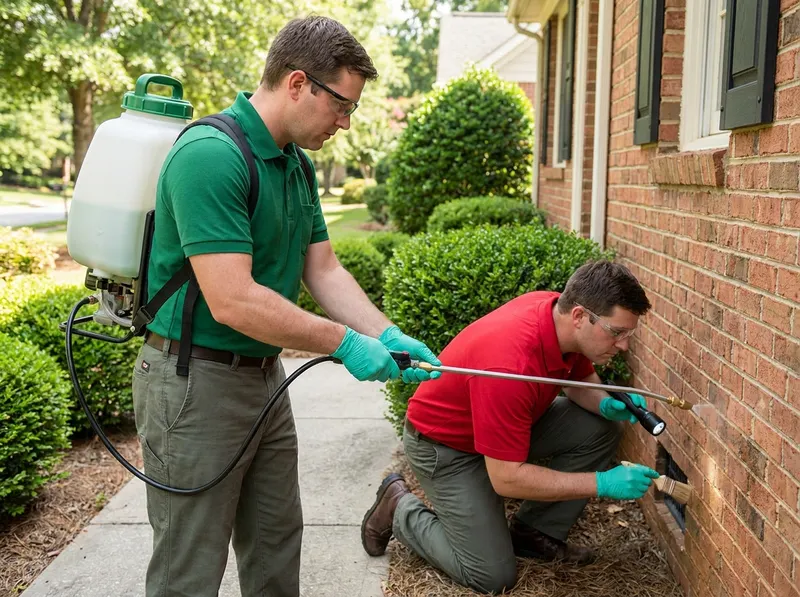
Perimeter defense treatments neutralize dangerous native arachnids including Southern black widows and brown recluses while stopping multi-legged crawling pests from entering domestic areas. Technicians utilize extendable telescopic poles fitted with electrostatic de-webbing brushes to clean exterior eaves, soffits, window architraves, and porch ceilings, removing structural webbing, egg sacs, and resting adult spiders. Downward perimeter applications treat the lower 3 feet of exterior foundation masonry and the surrounding 3 feet of adjacent turf or pine-straw landscaping beds using micro-encapsulated suspensions engineered to withstand southern rain events and direct solar exposure. Crawlspace foundation vents, basement window wells, and weep holes receive targeted micro-dust applications that drift into inaccessible voids to eradicate lurking prey populations like silverfish, crickets, and pillbugs, thereby eliminating the natural food sources that attract predatory hunting spiders to structural foundations.
Get a quote →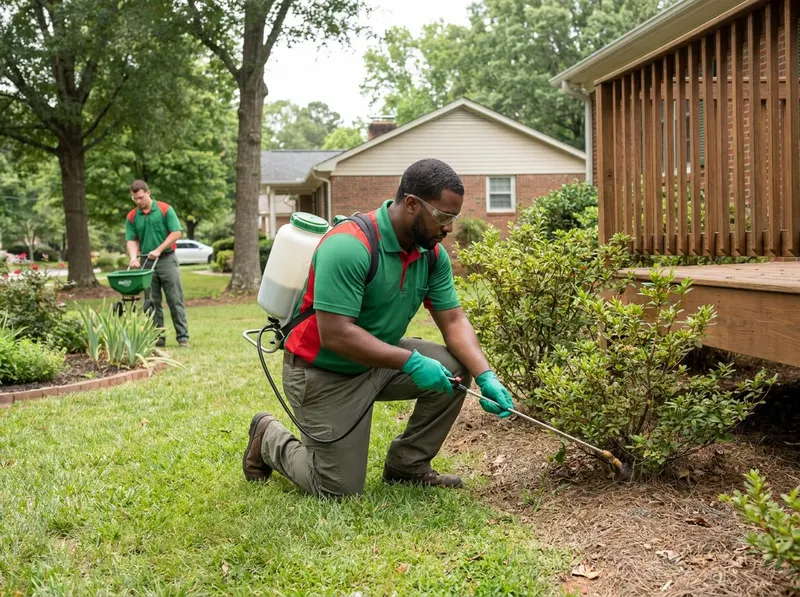
Breaking the persistent biological reproductive cycles of fleas and brown dog ticks requires synchronized treatments targeting outdoor harborage zones and interior soft floorings. Outdoor protocols target shaded turf, groundcover beds, beneath deck structures, and along wooded property perimeters where domestic pets and suburban wildlife bed down. Technicians administer specialized tank mixtures containing photostable insect adulticides combined with synthetic juvenile hormone analogues, stopping immature flea larvae from spinning protective pupal cocoons and preventing tick nymphs from maturing into reproductive adults. For domestic interiors, technicians apply fine micro-droplet treatments directly across carpeted runners, baseboard perimeters, and pet bedding areas. These specialized applications settle deep into pile fibers to halt active infestations without staining sensitive textile fabrics, restoring hygienic and comfortable indoor environments for four-legged family members and children.
Get a quote →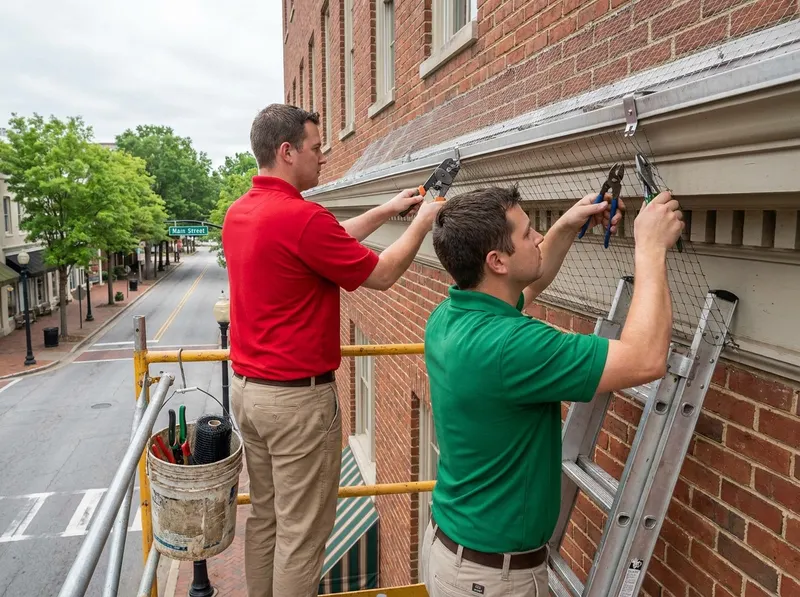
Humane avian deterrence programs protect commercial roofs, architectural porticos, and residential attic dormers from destructive feral pigeons, European starlings, and chimney swifts. Roosting birds produce highly corrosive uric acid droppings that permanently etch exterior brick facades, degrade asphalt roof shingles, and introduce hazardous fungal spores into interior air intakes. Technicians construct architectural defense barriers using UV-stabilized high-density polyethylene netting, low-profile stainless steel ledge spikes, and tensioned horizontal track wires along structural roof eaves, loading docks, and window pediments. All exclusion installations strictly conform to humane wildlife protection standards verified by the South Carolina Department of Natural Resources . By eliminating structural perching ledges and sealing exposed roof dormer openings, MapleHaven Exterminators preserves building sanitation and stops noisy flock roosting habits without causing physical harm to native bird populations.
Get a quote →Seasonal outdoor mosquito suppression utilizes ultra-low volume (ULV) cold misting and biological larvicide distribution to reclaim backyards and outdoor living spaces. Technicians focus mist applications on shaded resting foliage, including broadleaf shrubs, the undersides of decorative trees, English ivy groundcover, and structural sheltered zones beneath elevated decks where female Asian tiger mosquitoes harbor during intense daytime heat. Technicians treat stagnant drainage catch basins, French drain outlets, and standing bird baths with biological tablets containing Bacillus thuringiensis israelensis, a naturally occurring soil bacterium verified by the Centers for Disease Control and Prevention that selectively destroys feeding mosquito larvae without affecting aquatic pollinators, domestic pets, or garden plants. These continuous seasonal barrier treatments dramatically lower biting insect density from May through September, allowing families to enjoy outdoor patios safely.
Get a quote →You get a firm, itemized quote for your pest control services before any work begins, no surprises, no pressure.
Careful prep, tidy work, and a full cleanup when we are done. We treat your home and belongings like our own.
The same trusted, background-checked team from the first call to the final check.
Selecting structural defense protocols requires balancing infestation severity against chemical persistence and property layout. If your property displays localized, occasional nuisance foragers along baseboards, select targeted interior crack-and-crevice baiting paired with a 3-foot exterior perimeter barrier. If you observe structural wood shavings, mud tubes, or wall scratching, choose comprehensive structural exclusion and soil termiticide barriers.
The trade-off is mechanical effort and on-site duration versus surface coverage: localized bait placements leave your living quarters undisturbed and pet-accessible immediately, whereas full attic thermal remediation or soil trenching requires several hours of property clearance and physical access to crawlspaces. For multi-story residences near riverbeds, airborne mosquito treatments provide outdoor seasonal comfort, but soil moisture management remains the primary long-term deterrent against recurrent subterranean insect pressures. Homeowners managing historic balloon-frame structures must evaluate whether perimeter repellent liquid bands or structural wood injections provide greater longevity without disturbing vintage heart-pine joists.
Non-repellent horizontal soil barriers generally persist for 5 to 7 years in undisturbed clay, whereas surface sprays along exposed exterior stone veneer require reapplication every 60 to 90 days due to intense summer ultraviolet degradation. When choosing rodent controls, mechanical exclusion using quarter-inch hardware cloth delivers permanent physical prevention, whereas interior snap-trapping networks serve solely as an immediate population-reduction countermeasure. MapleHaven Exterminators establishes clear treatment criteria during the diagnostic phase: Step 1 involves identifying the exact biological species and entry point.
Step 2 requires quantifying active colony density and calculating structural moisture indices. Step 3 focuses on isolating living areas using odorless, targeted applications to guarantee immediate indoor safety. Step 4 implements exterior mechanical seals and continuous monitoring hardware along foundation perimeters.
Step 5 schedules post-intervention audits to verify total biological interruption before any treatment cycle is deemed complete. This systematic progression guarantees domestic peace of mind while eliminating chemical overuse.
Every project gets a firm, written price after an on-site visit. Ranges below for orientation.
Tell us about your pest control services job and we'll send a clear, written quote, usually the same day. Or just call and talk to a real Greenville pro.
(864) 215-5213
Properties across Greenville encounter distinct biological pest pressures created by dense Cecil red clay soils, sustained summer humidity cycles, and direct proximity to the Reedy River watershed. Historic timber homes in Alta Vista and North Main frequently confront massive subterranean termite swarms from late March through May, driven by damp crawlspace sills and dense hardwood canopies that hold ambient moisture. In established neighborhoods such as Augusta Road and Parkins Mill, extensive mature tree networks enable invasive roof rats to run across overhanging limbs and access vulnerable attic returns, seeking warmth as temperatures cool across the Upstate Piedmont during late October. Meanwhile, residential and converted mill properties throughout The Village of West Greenville and near Fluor Field at the West End experience seasonal American and German cockroach activity, where elevated moisture levels along municipal storm conduits drive insects toward indoor crawlspaces and commercial kitchens. Homes bordering the Swamp Rabbit Trail, Cleveland Park, and Paris Mountain State Park encounter persistent outdoor flea, tick, and mosquito vectors fed by seasonal tributary runoff and dense brush buffers. MapleHaven Exterminators calibrates all treatment thresholds to the specific architectural framing traditions, foundation layouts, and local soil moisture profiles found throughout Greenville County. We ensure structural defenses withstand heavy seasonal precipitation without washing away critical protective barriers.
 MapleHaven Exterminators